
The $0.19 FBA fee increase is not the 2027 change that will hurt you. The storage change is.
Amazon announced its 2027 US fee update on 5 November 2026. This is a Seller Central change for third-party sellers using FBA. It does not apply to Vendor Central.
Most of the fulfillment fee changes take effect on 15 January 2027. The storage changes take effect on 1 February 2027.
What Amazon announced
Amazon says FBA fulfillment fees will rise $0.19 per unit on average, about 0.8% of the average selling price. The impact varies by product, size, and price. Some products go up, some go down, so that each fee more closely matches Amazon's cost of fulfilling that product.
The FBA fuel and logistics surcharge stays unchanged.
From 1 February 2027, Amazon will eliminate the storage utilization surcharge. The aged inventory surcharge will be removed and folded into monthly storage as a single age-based rate. Amazon says this will mean flat or lower fees for inventory that turns in under six months, and higher fees for aged inventory.
The low-inventory-level fee is also changing on 1 February 2027. Today it is assessed using trailing 30-day and 90-day sales. From 1 February, it will apply only when inventory falls below 28 days of supply, based on actual shipments in the four weeks before and after the assessment date. Amazon says this is meant to target SKUs that need replenishment and reduce fees triggered by unexpected demand spikes or end-of-season and end-of-life products.
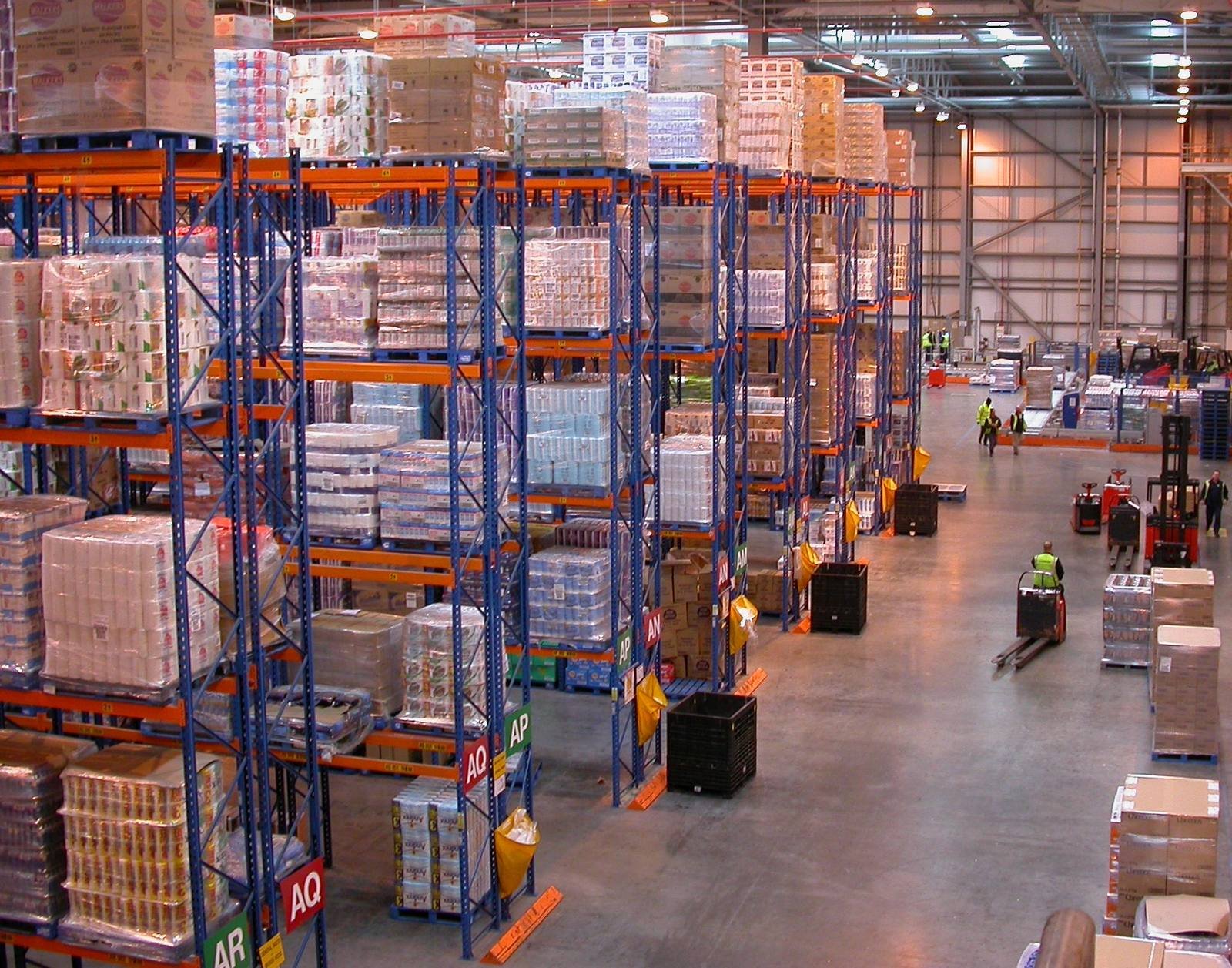
Why the storage change matters more
The per-unit increase is a pricing problem. The storage change is an inventory problem.
If you over-order for Q4 and units sit into spring, that is where 2027 gets expensive. Inventory that is still in FBA after six months will face the higher age-based storage rate from 1 February.
The removal of the storage utilization surcharge may make it easier to stock up ahead of high-demand events, which is the reason Amazon gives for dropping it. That does not cancel the cost of aged inventory. The two changes pull in different directions: it may be cheaper to hold more inventory in the short term, and more expensive if that inventory does not sell through.
If aged inventory is already building up, a Seller Central account review can show which ASINs to slow down, bundle or clear before 1 February.
Want a second look at how the 2027 FBA fee and storage changes land on your ASINs? Book a USD 100 account review.
What sellers should do before January
Amazon added a Fee Change Comparison dashboard in Profit Analytics that shows the impact at account and ASIN level. Run it before January. You can also model fee scenarios with the Revenue Calculator.
What I would check:
- Open the Fee Change Comparison dashboard and review the fulfillment fee change by ASIN, not just the $0.19 average.
- Look at current inventory age and expected sell-through. Flag units that are likely to still be in FBA after six months when the new age-based storage rate starts on 1 February 2027.
- Be careful with Q4 restocks that could sit into spring.
- Review low-inventory-level fee exposure under the new 28 days of supply rule, including the four weeks after the assessment date.
- Note that the FBA fuel and logistics surcharge is unchanged, so do not expect a reduction there.
Amazon also flagged additional 2027 updates for small and large standard-size items, items priced above $50, "Buy X, Get Y" promotions, Multichannel Fulfillment, and Amazon Warehousing and Distribution. The full summary is in the source below.
Does most of your FBA inventory sell through in under six months?
Sources
Amazon Selling Partners, "Update to US Referral and Fulfillment by Amazon fees for 2027", 5 November 2026: Amazon Selling Partners announcement.
Originally published on LinkedIn. Read the original post and join the conversation.